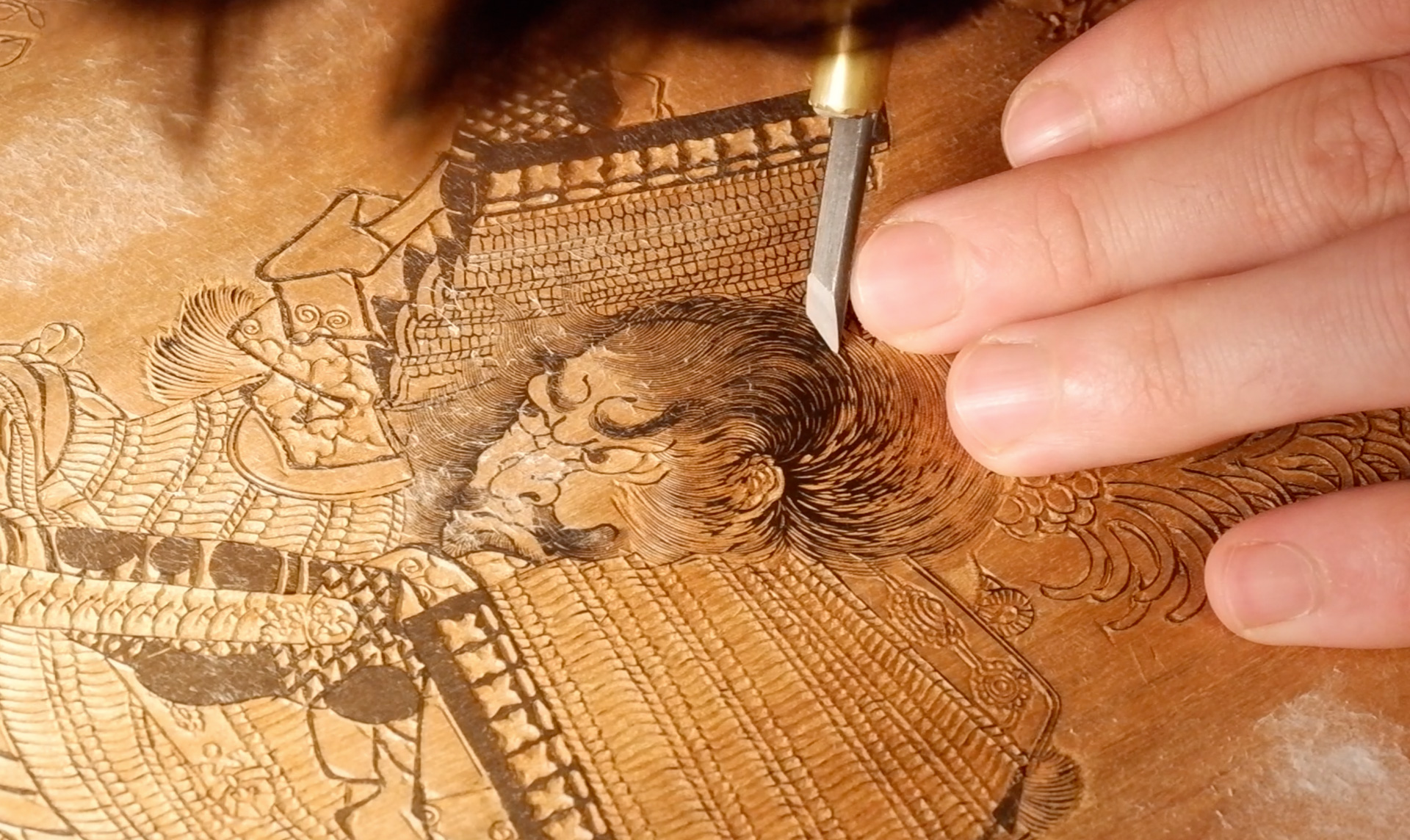
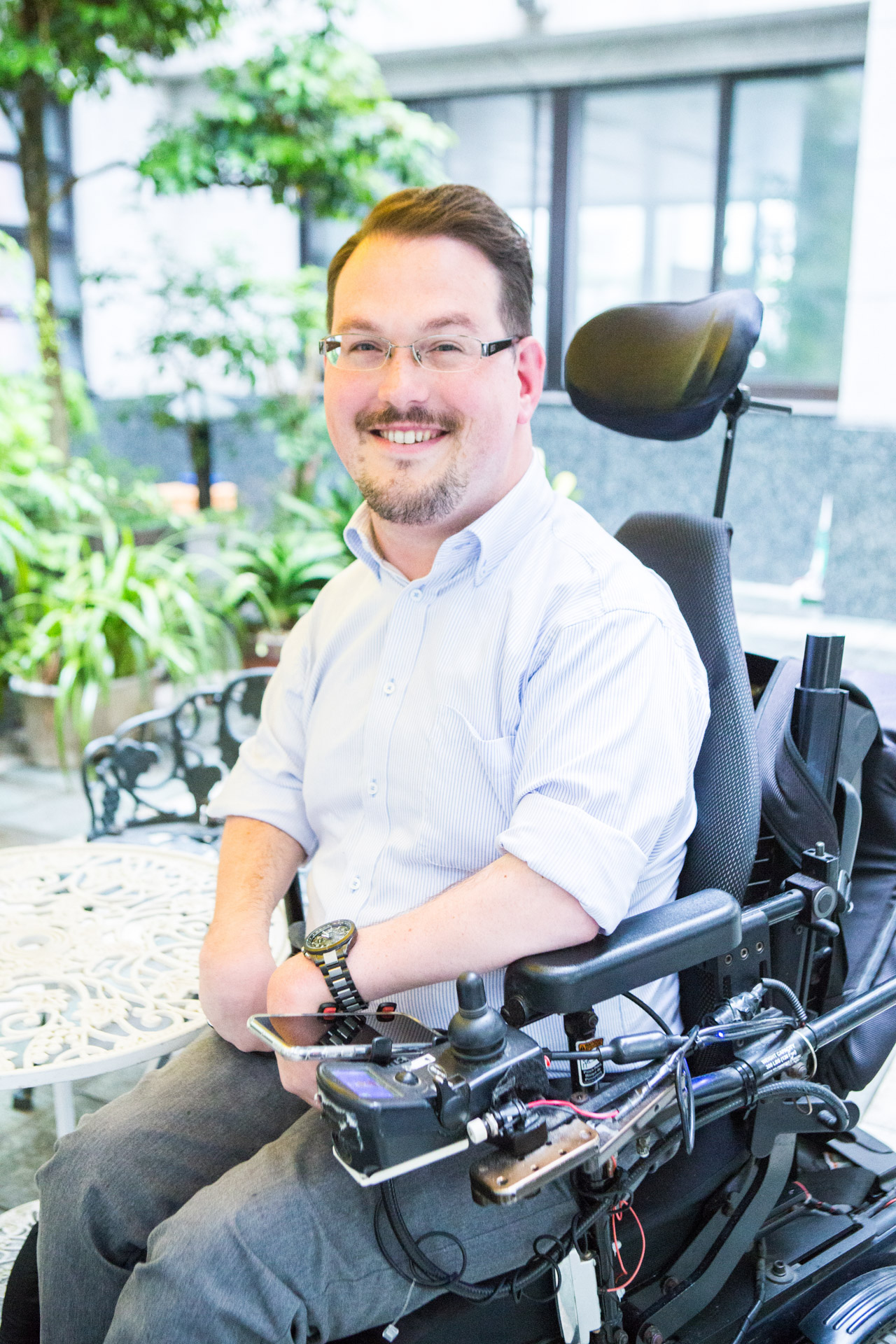
For many travelers, one of the greatest barriers to visiting Japan is the uncertainty of not knowing what to expect. Through Accessible Japan, founder Josh Grisdale provides detailed information about accessible hotels, transportation, attractions, and tours, helping travelers understand their options and make decisions based on their own needs.
In this interview, Josh explains why practical accessibility information matters, how community knowledge can support travelers, and what Japan’s tourism businesses can do to welcome more people.
What Accessibility Information Do Travelers Need?
When you are looking at a hotel, attraction, tour, or cultural experience, what kinds of information are most useful for helping people decide whether something will work for them?
Something we hold important at Accessible Japan is that we don't decide whether a place is "accessible" or "not accessible," or hand down a verdict. There are too many different types of disabilities for that to be useful, even among wheelchair users. I use a power wheelchair, so I can get through gravel no problem but I'd struggle with a step. Someone in a manual wheelchair is often the opposite: gravel is hard, but they can get up a step with a bit of help. And that's just wheelchairs. There are many kinds of mobility disabilities, cognitive disabilities, and so on.
So the most useful information is whatever describes what's actually there, in concrete terms, with lots of photos. Real specifics rather than a label. Saying "there's a 10 cm step at the entrance" instead of "not accessible" lets a wheelchair user think, "okay, 10 cm I can manage," or "I'll bring my portable ramp," or "that one won't work for me." The detail is what lets each person make the call for themselves, even when the honest answer is "this part is difficult." Knowing that ahead of time is fine.
It also helps when a place doesn't make assumptions about what people can or can't do. Some wheelchair users can walk a little, so saying "not wheelchair accessible, please don't come" can end up excluding people who would actually have been fine.
How Tourism Businesses Should Share Accessibility Information
How can travel websites, guides, and businesses share accessibility information most effectively?
The biggest thing is being upfront about it and making the information easy to find. Have a page on your website actually called "Accessibility," and put the practical details on it:
- The entrance, and whether there are any steps
- Whether there's an accessible toilet
- What the seating or tables are like
- For a craft or hands-on experience, what the workspace is like and what accommodations can be made
Beyond the list itself, take the stance that you're willing to adapt, and that questions are welcome. Let people know you're happy to work with them to find something that fits. That willingness can make a bigger difference than any single feature on the page. When someone can see you're eager to work with them, it changes whether they feel comfortable showing up at all.
%20_.jpg)
The Impact of Accessible Japan on Travelers
Are there any particular moments throughout your journey helping travelers with Accessible Japan that felt particularly affirming?
There are a number, but two keep coming back to me.
The first was a group from Greece I'd helped prepare for their trip, answering a bunch of questions over email beforehand. Then one day I was getting on the subway at Akihabara and we just bumped into each other. We had no plans to meet, it was pure chance, but we had a short chat right there on the platform and we've been friends ever since. It was a neat way to make a friend while also getting to see someone actually enjoying the trip I'd helped with.
The second was a family from Australia. They'd almost given up on coming to Japan at all because they couldn't find the information they needed, until they found Accessible Japan. That was enough to take them from giving up to buying their tickets, and they ended up having a wonderful time.
Over the years I've made some great friends through this, but I've also been able to help people realize a dream they'd nearly let go of. That's what makes it all worthwhile.
Why Community Knowledge Matters for Accessible Travel
You also help build community through Tabifolk, with discussion forums where travelers can ask questions and share experiences. What makes community knowledge so powerful for accessible travel?
Tabifolk actually started as a forum on Accessible Japan and then grew into something more global. Through doing one-on-one consultations, I kept noticing the same questions coming up over and over. And if people are all asking the same things, it's much better to have those answers somewhere public where everyone can see them.
No matter how detailed a website is, things will always fall through the cracks. Everyone's disability is different, but so is everyone's experience and what they actually want to do on a trip. There could never be one website that fits every person's needs. What works better is having a place to ask a specific question and get a real answer.
I've learned a lot this way myself. There have been times I didn't know the answer to something, and then someone would jump in with "oh, I was there two weeks ago and here's what it was like," or someone with a completely different life experience than mine would answer for another traveler. That's the exciting part. You can see how much the community matters, and how there's rarely one single answer for everybody. It has to be built from lots of people's experiences, which is something AI can't really do.
It matters for support, too. A lot of people with disabilities feel nervous or worried about travelling, and having someone say "I've done that, and here's how it went for me" can be the encouragement they need to take that first step.
How Accessibility Information Gives Travelers More Freedom
Japan has so much to discover, from narrow neighborhood streets and small restaurants to historic buildings, shrines, and seasonal landscapes. How can good accessibility information help travelers feel more prepared while still leaving room for discovery and the unexpected?
Good information gets you started, but it can never answer every question, and it shouldn't try to. The point isn't to script out every minute of a trip. It's to remove enough uncertainty that you feel safe wandering off the plan.
Japan actually has a real advantage here. Most stations in Tokyo and many other areas are accessible, and you can count on finding accessible toilets at train stations, department stores, and even parks. That infrastructure quietly gives people the freedom to wander. In a lot of other places, facilities like that are far less reliable, so travelers with disabilities end up sticking close to the beaten path. Here, knowing those basics are in place lets people relax and take their time exploring.
General information matters as much as place-specific details for the same reason. Knowing the lay of the land gives you a safety net. Smaller restaurants in a lot of areas tend to be hard to get into, which can be a disappointment when you're standing outside one. But if you know the top floors of department stores usually have accessible dining, or that a particular neighborhood has a higher ratio of accessible places, you can explore freely knowing you've got a fallback. You're not locked into a list, just informed enough to improvise.
Locals make a big difference too. Someone who really knows their own neighborhood can point a visitor to the little spots no website would ever capture. That's where the discovery happens, and it's something general accessibility info can set up but never replace.
How Accessibility in Japan Has Improved
Have you noticed any positive changes in Japan's accessibility in recent years?
There's been an incredible amount of change since I first came here. When I arrived in 2000, maybe a quarter to a third of stations had any accessibility features, and usually only the bigger ones. Each time I came back over the next few years, there were more, and it kept building.
The real push came in the lead-up to the Olympics and Paralympics, especially for public transport and public spaces. Today nearly all stations in Tokyo have an accessible route, which is just a remarkable shift over a couple of decades. The Games also put accessibility and disability into the public conversation in a way that I think genuinely changed attitudes, not just infrastructure.
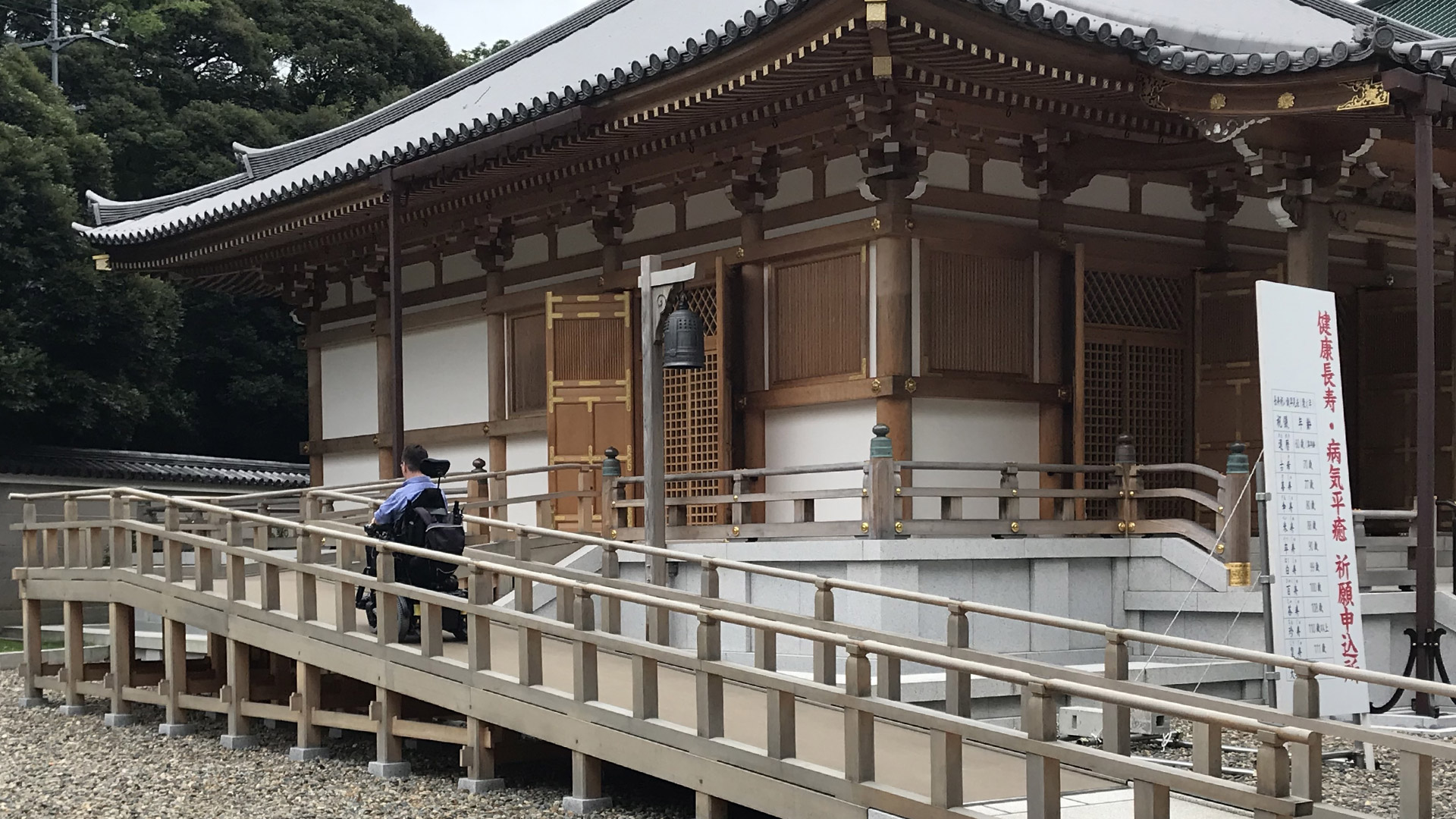
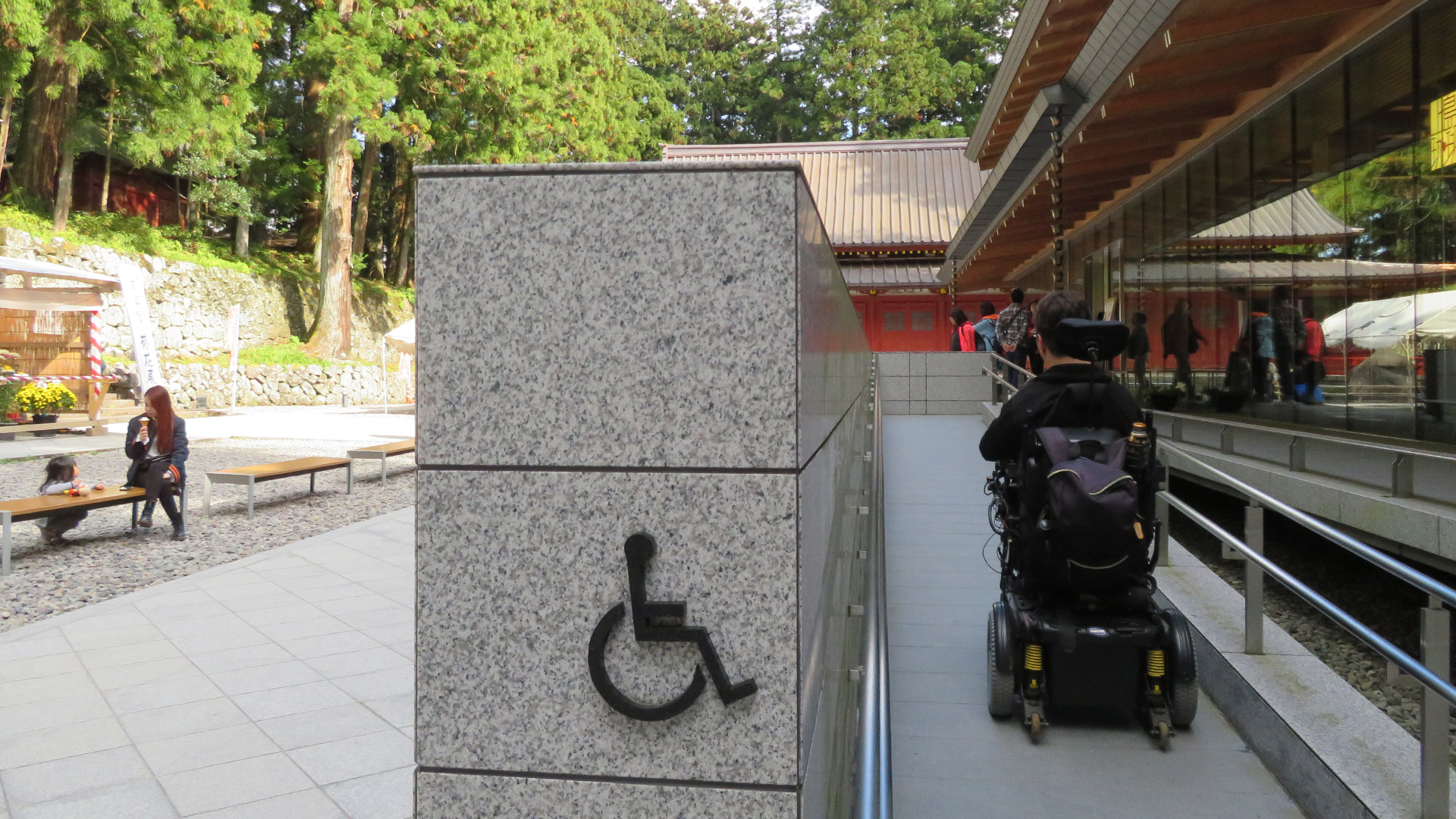
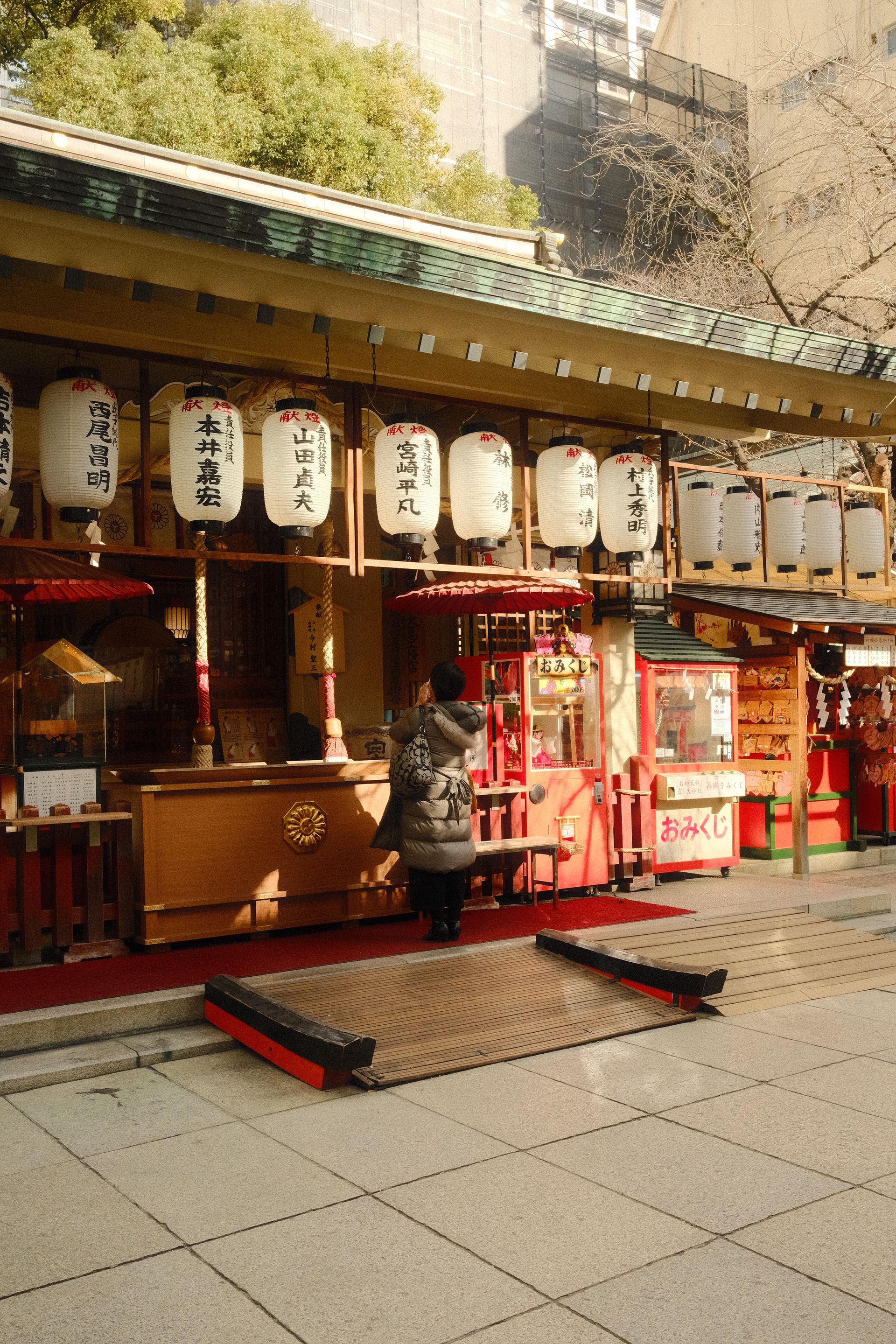
You see it beyond the stations now too. More and more accessible toilets, and places you might not expect, like shrines and temples, adding ramps and accessible routes. There are more hotels with proper accessible rooms available than there used to be. So yes, the change since I first arrived has been huge.
How Accessible Is Japan for Travelers?
How do you think Japan compares to other destinations for accessibility?
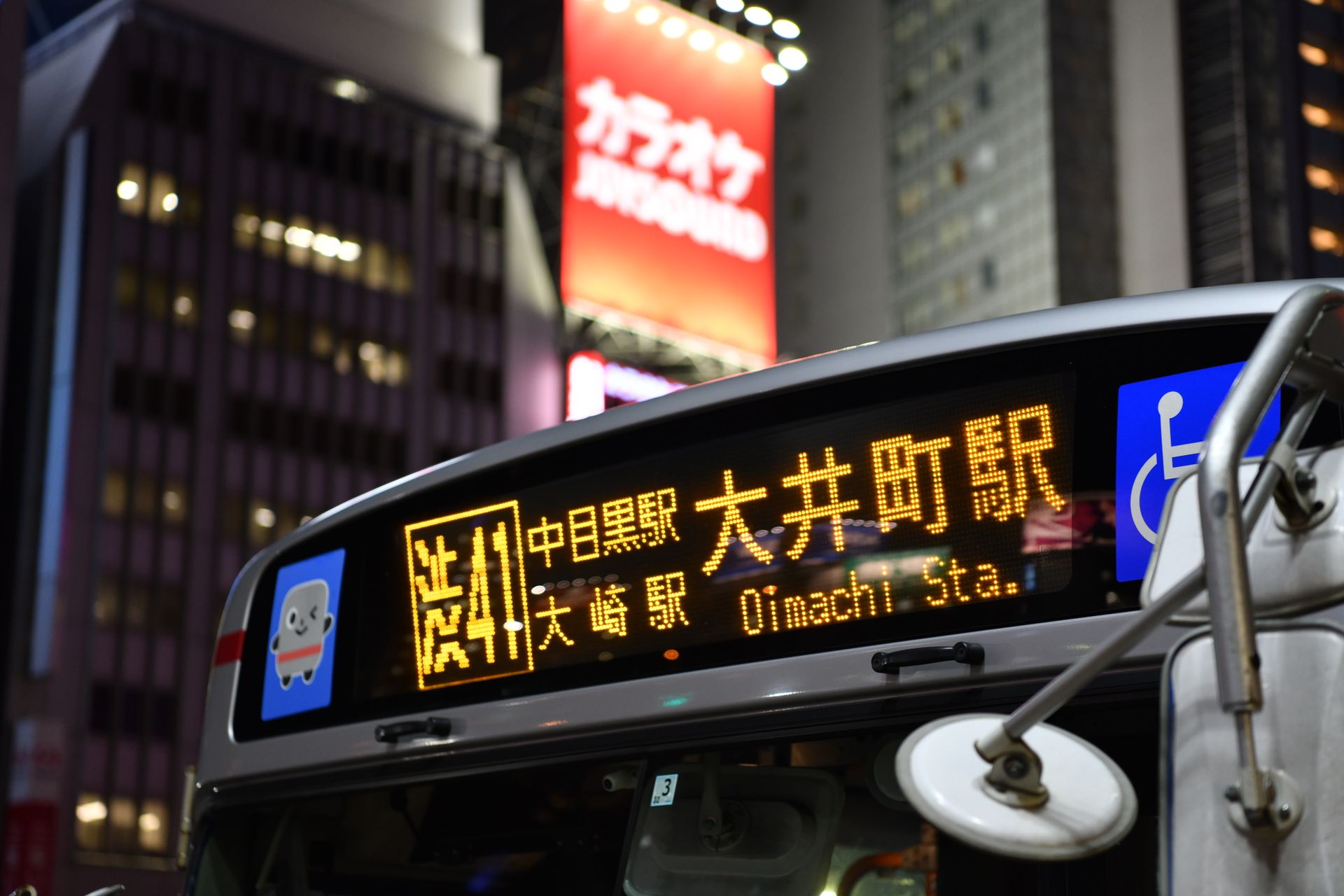
Compared to a lot of other places, Japan is excellent. The accessibility infrastructure is a big part of it, especially transport. You can get around independently even in smaller cities on regular public transit, whereas in a lot of countries you'd be relying on specialized taxis or renting a vehicle just to move around. That makes a real difference to how free a trip feels.
The wide availability of unisex accessible toilets is another one. It sounds like a small thing, but being able to count on finding one lets people relax and stay out exploring instead of planning their day around it. Add in the steady improvements at tourist sites and the growing variety of places becoming accessible, and it makes Japan a fantastic destination, and an easier one than many others I could name.
The Future of Accessible Travel in Japan
What are your hopes for the future of accessibility for travelers?
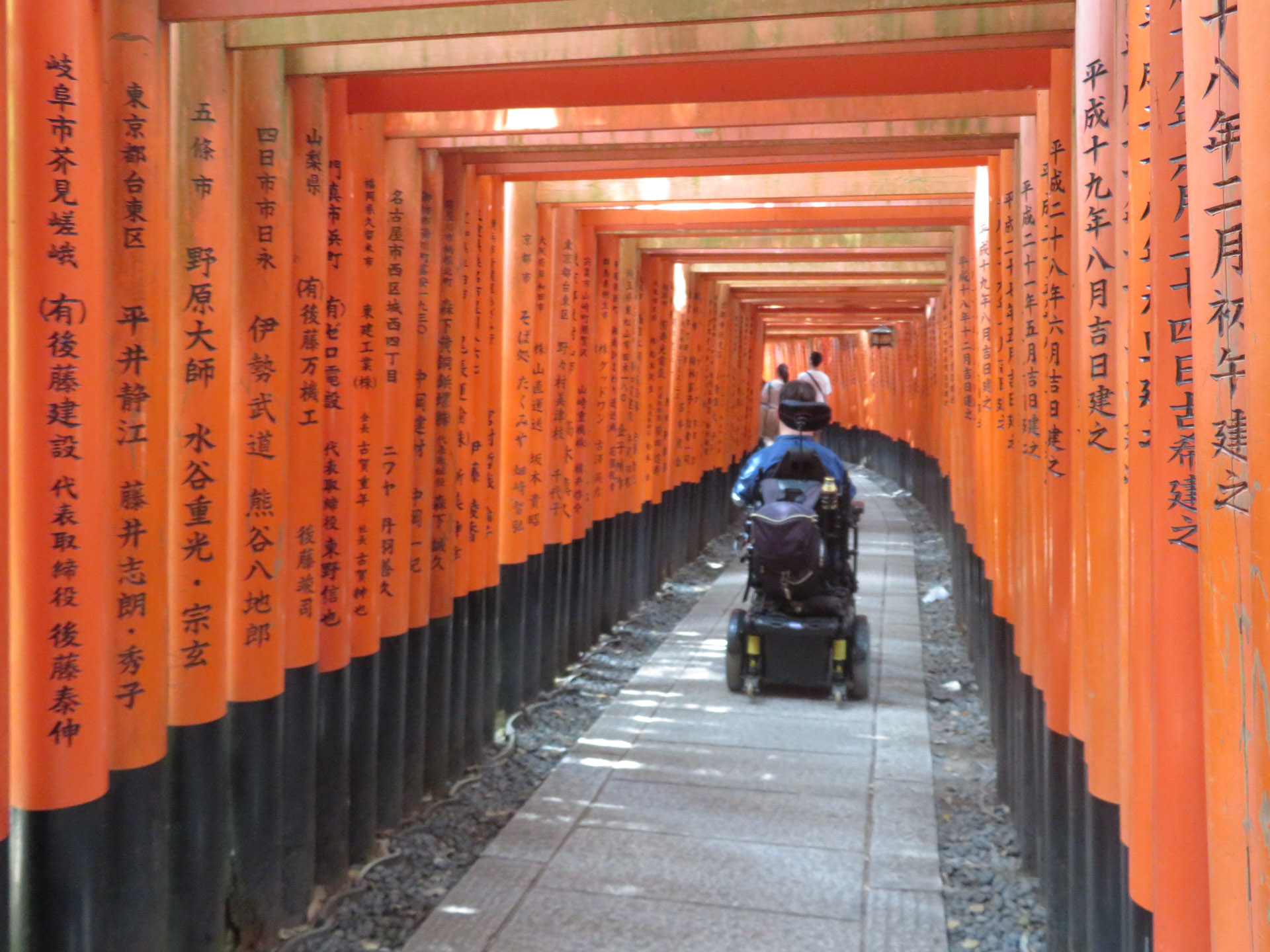
Mostly I hope things keep moving in the direction they've been going. Part of that is more accessibility information out there, not just on Accessible Japan but on the websites of tours, attractions, hotels, and restaurants. Putting that information up doesn't take much effort, and it makes such a difference to someone deciding whether they can visit. I'd love to see more places do it.
I also hope more businesses start asking how their tour, their experience, their restaurant, or their hotel could be more open to everyone. And when they do, that they bring people with disabilities in for firsthand input rather than guessing, or worse, not trying at all because they feel they don't know where to start. That's how you get it right.
I have a lot of hope for Japan. We've come a long way, and I hope we keep heading toward more inclusion and accessibility.
To learn more about Josh Grisdale’s work, visit Accessible Japan for practical accessibility information and travel resources, explore Tabifolk to connect with a wider community of travelers sharing questions and experiences, or follow Josh on Instagram for more updates and insights.
Want to discuss this article? Check out the "Japan Handmade Forum" on Discord to join the conversation!
Know someone we should interview next? Send us a recommendation at hello@bottlecap.jp
This page may contain affiliate links, and Bottlecap may earn a commission at no extra cost to you.