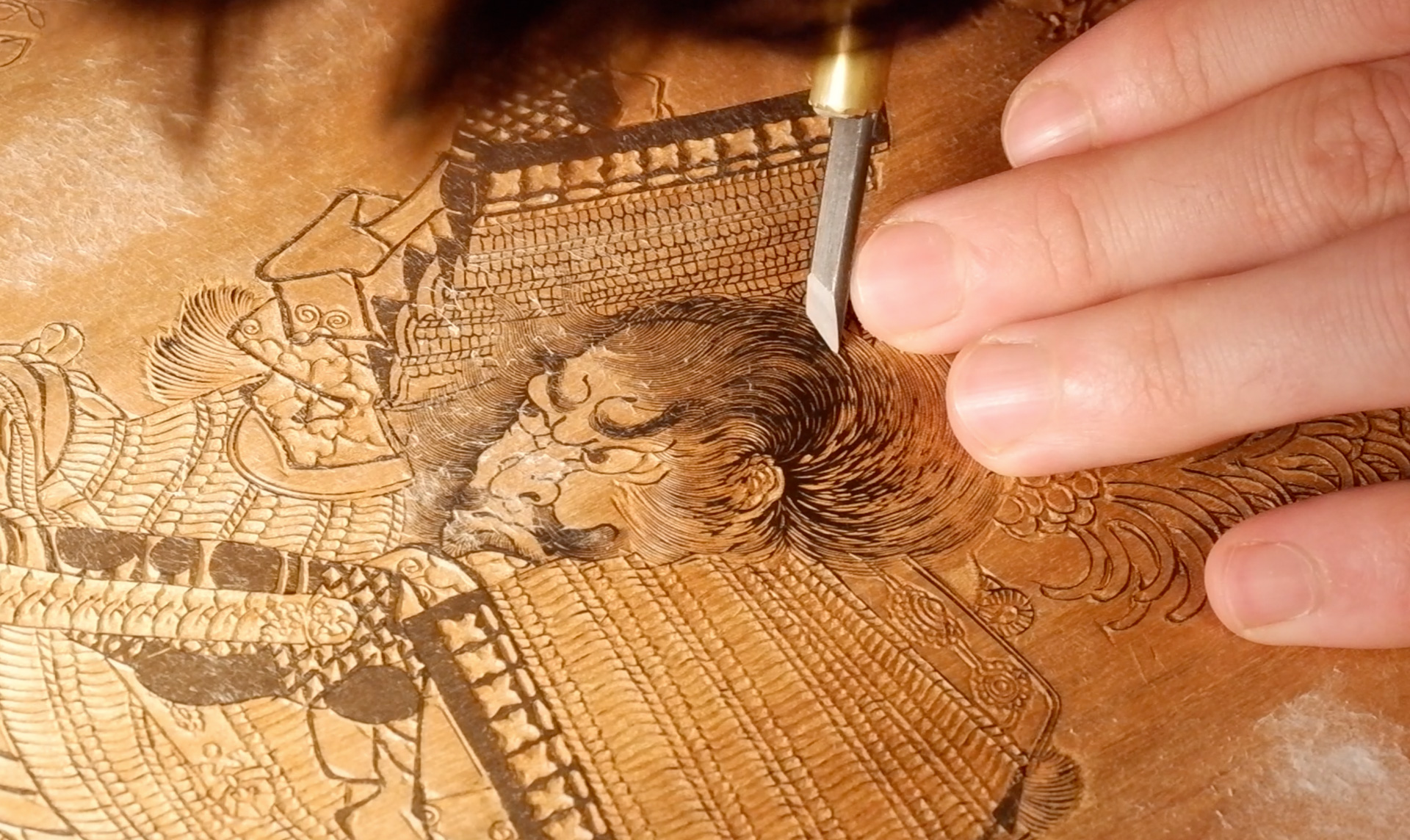

In Uji, Kyoto, matcha is usually experienced through taste. At Incense Kitchen, founder Kyoko Goto gives it another purpose by transforming matcha that can no longer be sold as food into handmade incense.
In this interview, Kyoko discusses her connection to tea ceremony, the sensory appeal of Japanese incense, and how her workshop introduces visitors to Uji’s tea culture through scent, craftsmanship, and upcycling.
Growing Up with Matcha and Tea Ceremony
We understand that you grew up familiar with the tea ceremony through your mother. For you, was matcha something more than simply “tea” from an early age?
My mother practiced the tea ceremony, so from an early age, she would often whisk matcha for us when we had delicious sweets at home, or during New Year’s and other occasions when relatives gathered.
Perhaps I was more familiar with matcha than many people. At the same time, it was also something I associated with slightly special moments.
I also remember the time when I came to enjoy its slight bitterness. It made me feel as though I had grown up a little, and I was happy about that.
Why Japanese Incense Is Accessible Through the Senses
Japanese incense culture can sometimes feel very deep and traditional, but scent itself is something familiar to everyone. If there is an aspect of incense culture that people from any background can connect with, what do you think that would be?
What I find interesting about scent is that you do not need special knowledge to enjoy it. You can simply experience it through your senses.
For example, when my daughter was small, she once smelled a detergent sample at a supermarket and said she did not want to leave that section because it smelled so nice.
I think scent is not something distant or difficult. People of any age can enjoy it, and it is something we encounter in small, ordinary moments of daily life.
The appeal of incense culture, too, begins with a simple feeling: “I like this scent,” or “This makes me feel calm.”
How Tea Ceremony Influences the Incense-Making Experience
In the tea ceremony, great care is given to subtle details such as the season, utensils, sweets, space, silence, and movements. Has this kind of tea ceremony sensibility influenced the way you design your incense-making experience?
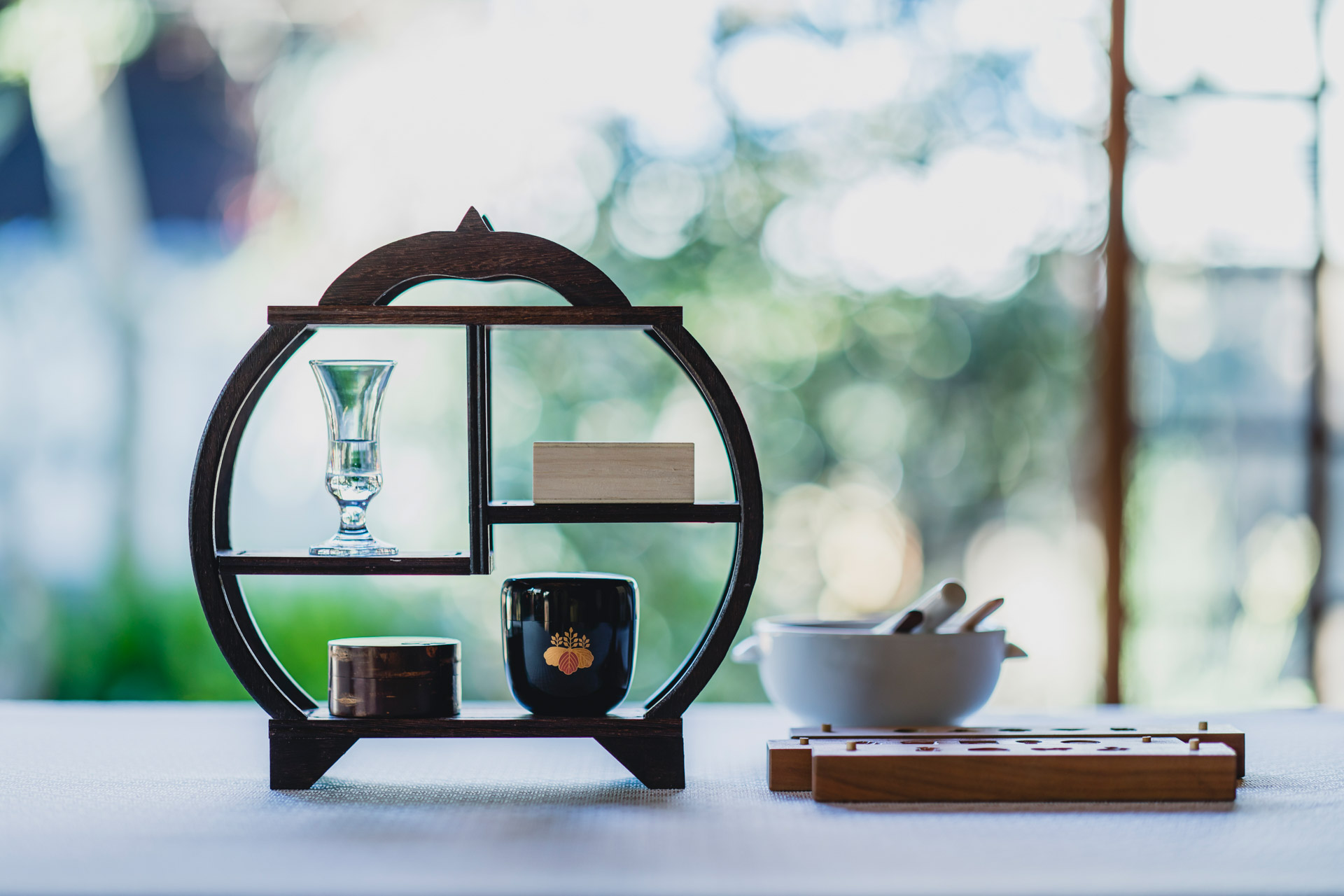
What we offer is not simply the experience of making incense as a physical object. We care about the whole experience: the space where it takes place, the setting prepared for guests, and how they spend that time.
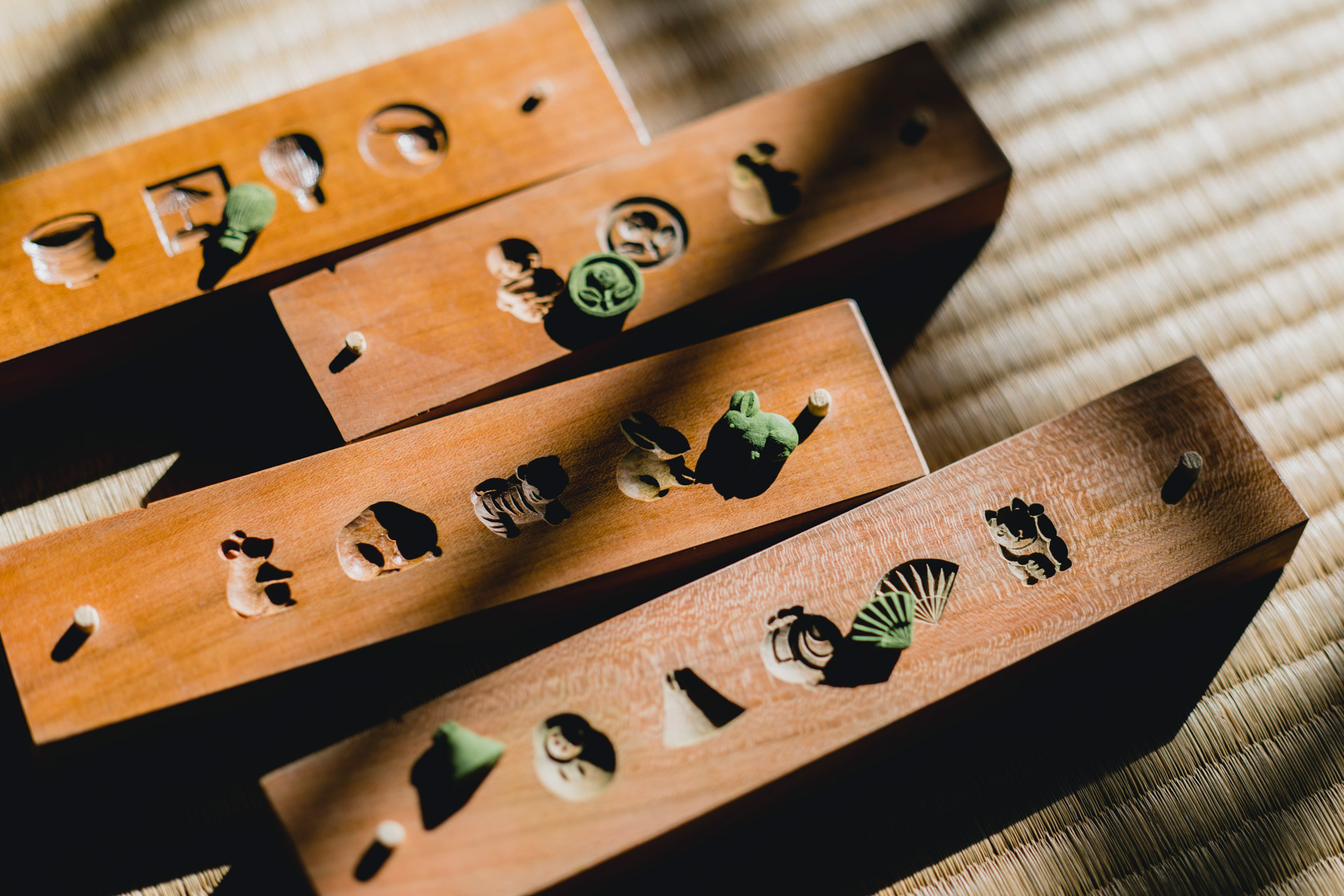
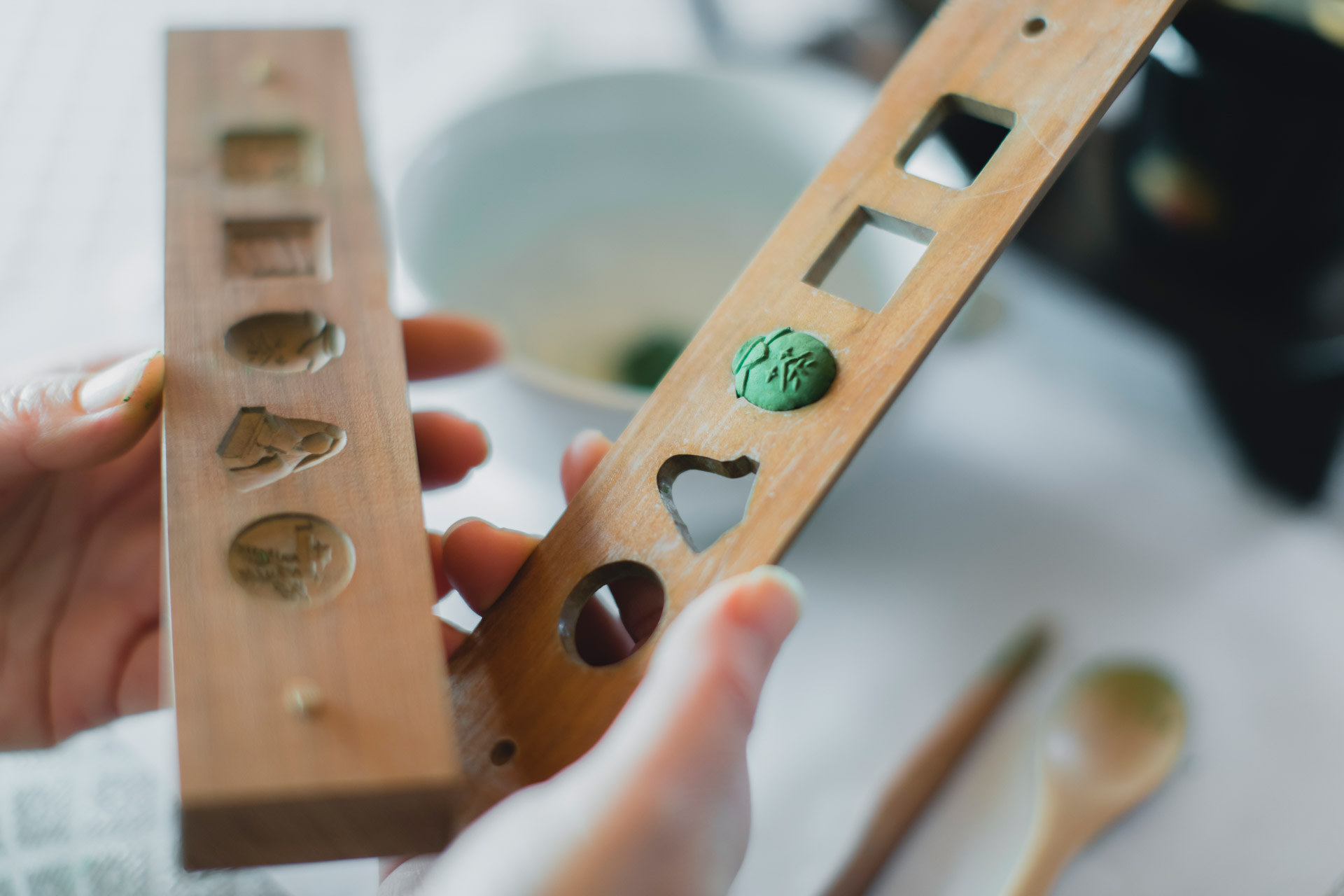
In that sense, it shares something with the sensibility of the tea ceremony. That influence can be seen in the quiet, nature-rich setting of Eshin-in Temple, a historic temple in Uji, and in the use of wooden moulds with seasonal motifs. The wooden moulds change with the seasons, and they are an important part of expressing the season within the experience.
The scent of the matcha incense itself is also very subtle. It does not strongly announce itself. Rather, it is the kind of scent you begin to notice only after you quiet your mind, almost as if you suddenly realize, “Ah, there it is.”
It is calming, and I feel it has something in common with the quiet moments in the tea ceremony that gently clear the mind.
Discovering the Culture Behind Uji Matcha
In recent years, matcha has become very popular overseas, but it often seems to be enjoyed mainly for its taste. For people who visit Uji because they love matcha, what else would you like them to know about matcha culture?
Matcha has been nurtured over a long history. Behind it are many elements, including the methods used to cultivate tea in the fields, the skills of the producers, and the spirit of the tea ceremony.
The tea ceremony is not only about drinking matcha. A single bowl also creates time for people to face one another, and it carries a sensitivity to the seasons.
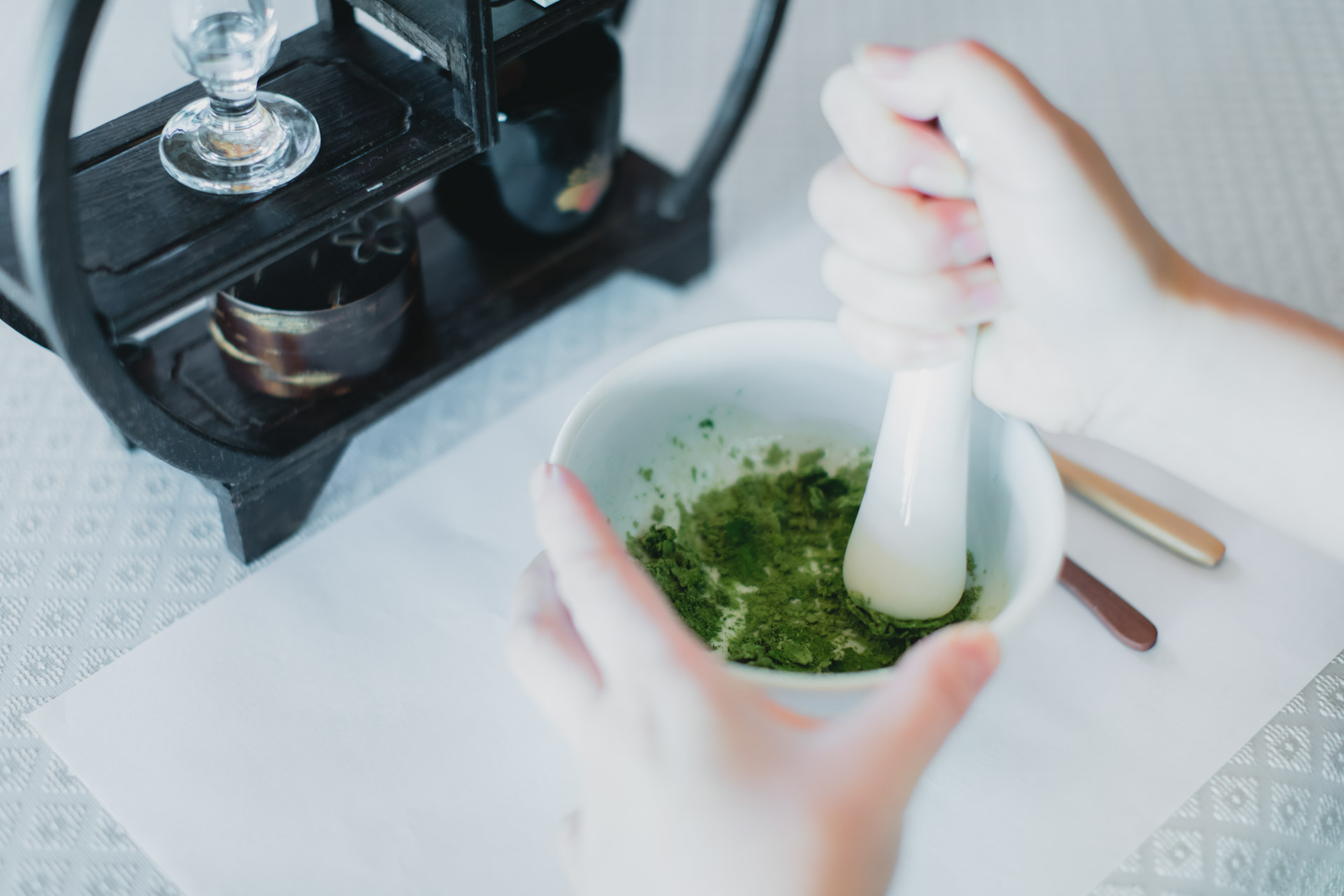
There is also something I hope people will come to know about the production process. During manufacturing, some matcha gets into gaps in the machines and equipment, and because of this, it can no longer be sold as food. Yet it has been made with the same time and care as matcha that can be consumed.
At Incense Kitchen, we use this matcha as an ingredient in our incense. I hope visitors to Uji will become interested not only in the taste of matcha, but also in the culture and values behind it, and in the care and ideas that exist behind the scenes of production.
Transforming Unsellable Matcha into Incense
How did you meet and begin consulting with the tea producers and processors who provide this material?
Because we are based in Uji, we had opportunities to meet people through the local chamber of commerce and through connections with people involved in the tea industry.
The idea of using matcha that would otherwise be discarded came from someone at the chamber of commerce. At the time, I had been using regular drinkable matcha.
From there, we continued making prototypes while learning a great deal about the characteristics of tea leaves and matcha. I feel this project took shape through the cooperation of people in the local community.
Making Japanese Cultural Experiences Approachable
From your experience with both tea culture and tourism, what do you think is important when creating a cultural experience that feels approachable for beginners and visitors from overseas?
I think the first thing is to avoid making people feel that they must understand everything correctly.
Japanese culture has a long history and many forms of etiquette, but it is difficult to understand everything from the beginning. I believe it is important for guests to enjoy the experience first.
I always ask guests what made them book the experience. Their reasons vary: some love scent, some love tea, some enjoy making things by hand, and some happen to be visiting Uji and want to have a memorable experience.
If, through the experience, they find something that makes them think, “I want to know more,” I believe that curiosity can lead to a deeper understanding of the culture.

Bringing Tea and Incense Culture Closer to Everyday Life
Looking ahead, through experiences like yours, what aspects of Japanese culture do you hope people will come to understand more deeply?
I believe the appeal of Japanese culture lies not only in the finished forms themselves, but also in their history, background, and ways of thinking.
Valuing the changing seasons, respecting each encounter as ichi-go ichi-e (a once-in-a-lifetime meeting) and appreciating the atmosphere, the quiet, and the space left unspoken. These values are shared by both the tea ceremony and incense culture.
Through our experience, I would be happy if people could feel that Japanese culture is not something reserved only for those with special knowledge. It is deeply connected to the senses and to ways of being that exist in everyday life.
I hope this experience can become a chance for people to feel Japanese culture a little closer to them.
More information on reserving this experience here.
If you would like to learn more about Incense Kitchen and their products please visit their website. You can also follow them on instagram for more updates.
Want to discuss this article? Check out the "Japan Handmade Forum" on Discord to join the conversation!
Know someone we should interview next? Send us a recommendation at hello@bottlecap.jp
This page may contain affiliate links, and Bottlecap may earn a commission at no extra cost to you.